
🚴♂️ The Fascinating History of Cycle Evolution
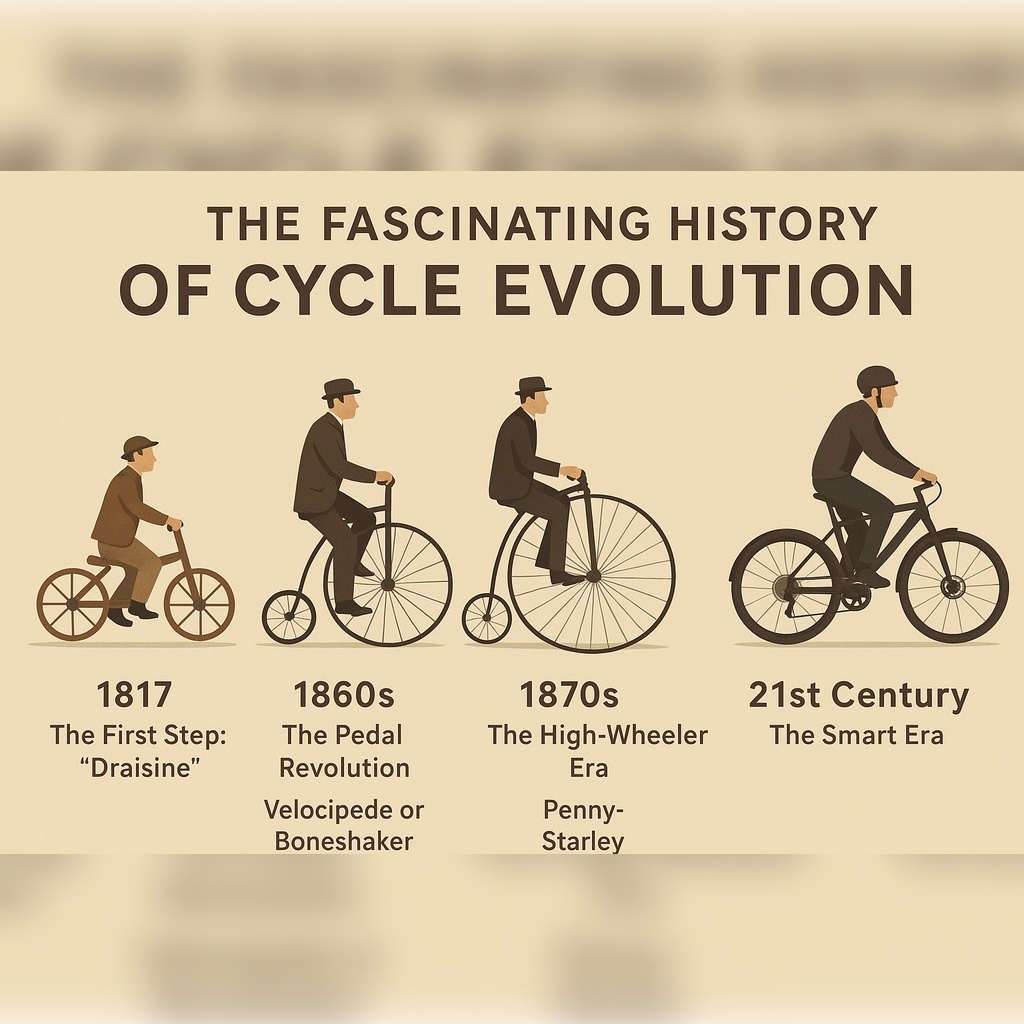
The bicycle, a simple yet revolutionary invention, has changed the way humans travel, exercise, and explore the world. But how did this two-wheeled wonder come to life? Let’s take a quick ride through history!
🕰️ 1817 – The First Step: “Draisine”
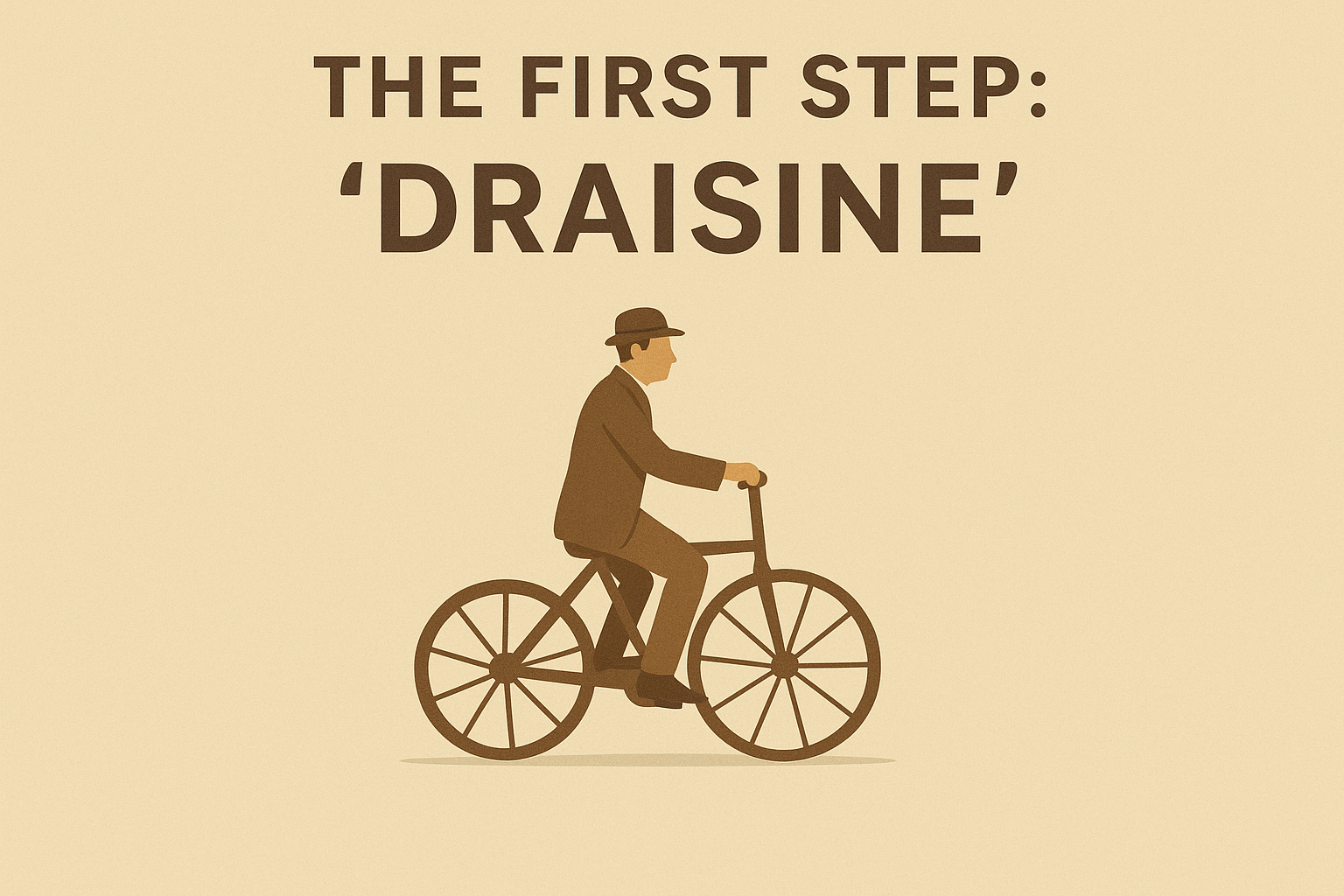
It all began with Karl Drais, a German inventor, who created the “Draisine”, a wooden, two-wheeled vehicle without pedals. Riders had to push with their feet to move forward, the earliest version of what we now call a balance bike!
⚙️ 1860s – The Pedal Revolution
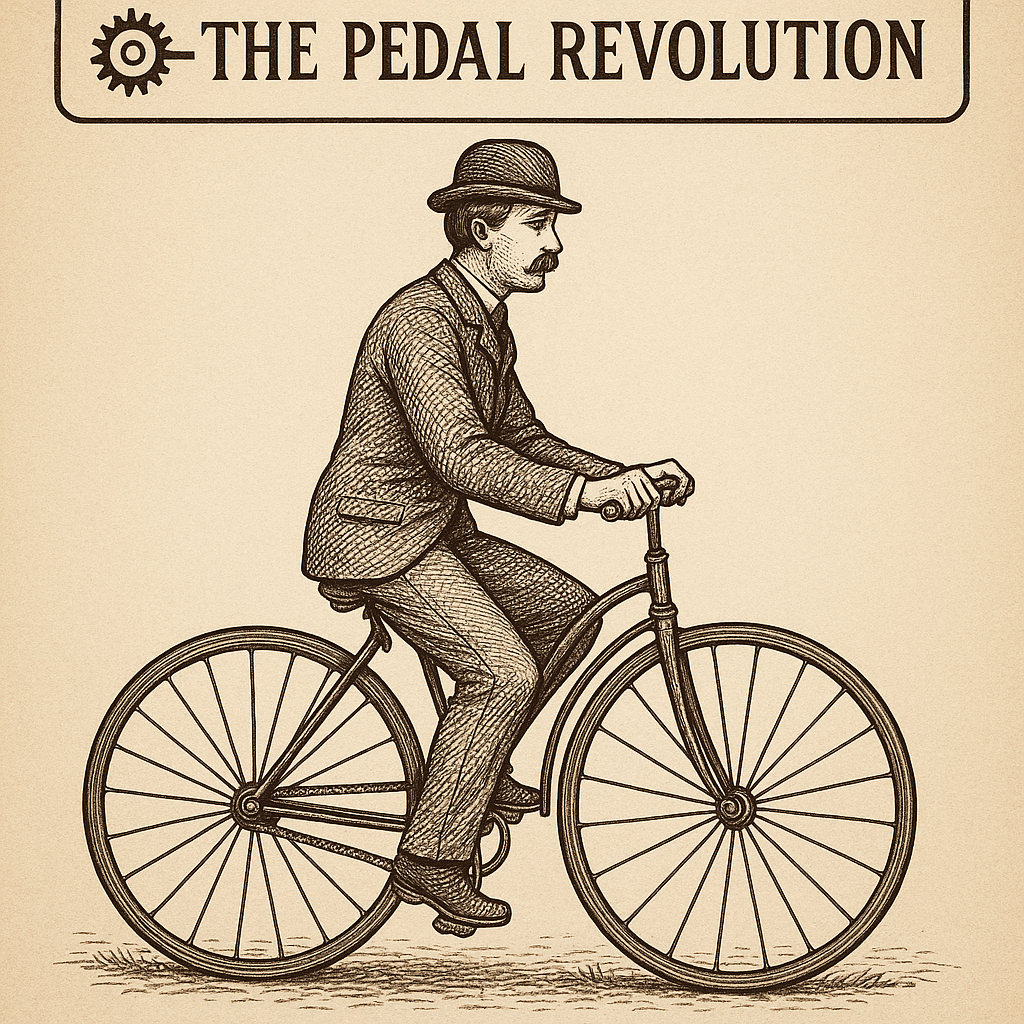
In France, Pierre Michaux and his son Ernest added pedals to the front wheel, giving birth to the first true bicycle, often called the “Velocipede” or “Boneshaker” (because of its rough ride on cobblestone streets).
🛞 1870s – The High-Wheeler Era
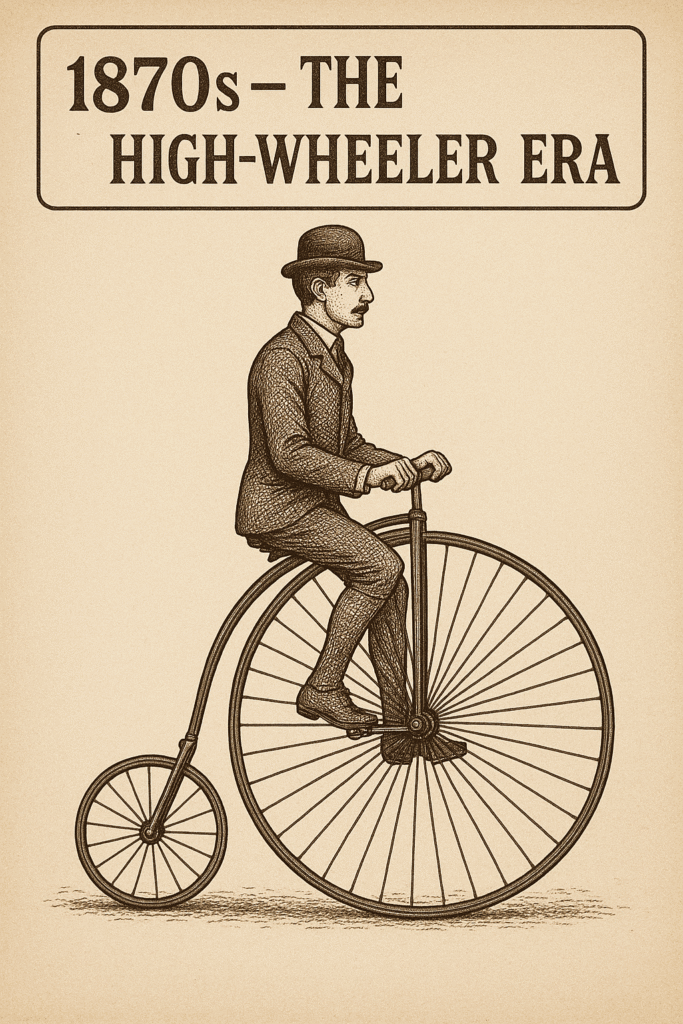
The “Penny-Farthing” or High-Wheeler became popular with its large front wheel and small rear wheel. Though elegant, it was dangerous and hard to balance, a fall could be quite painful!
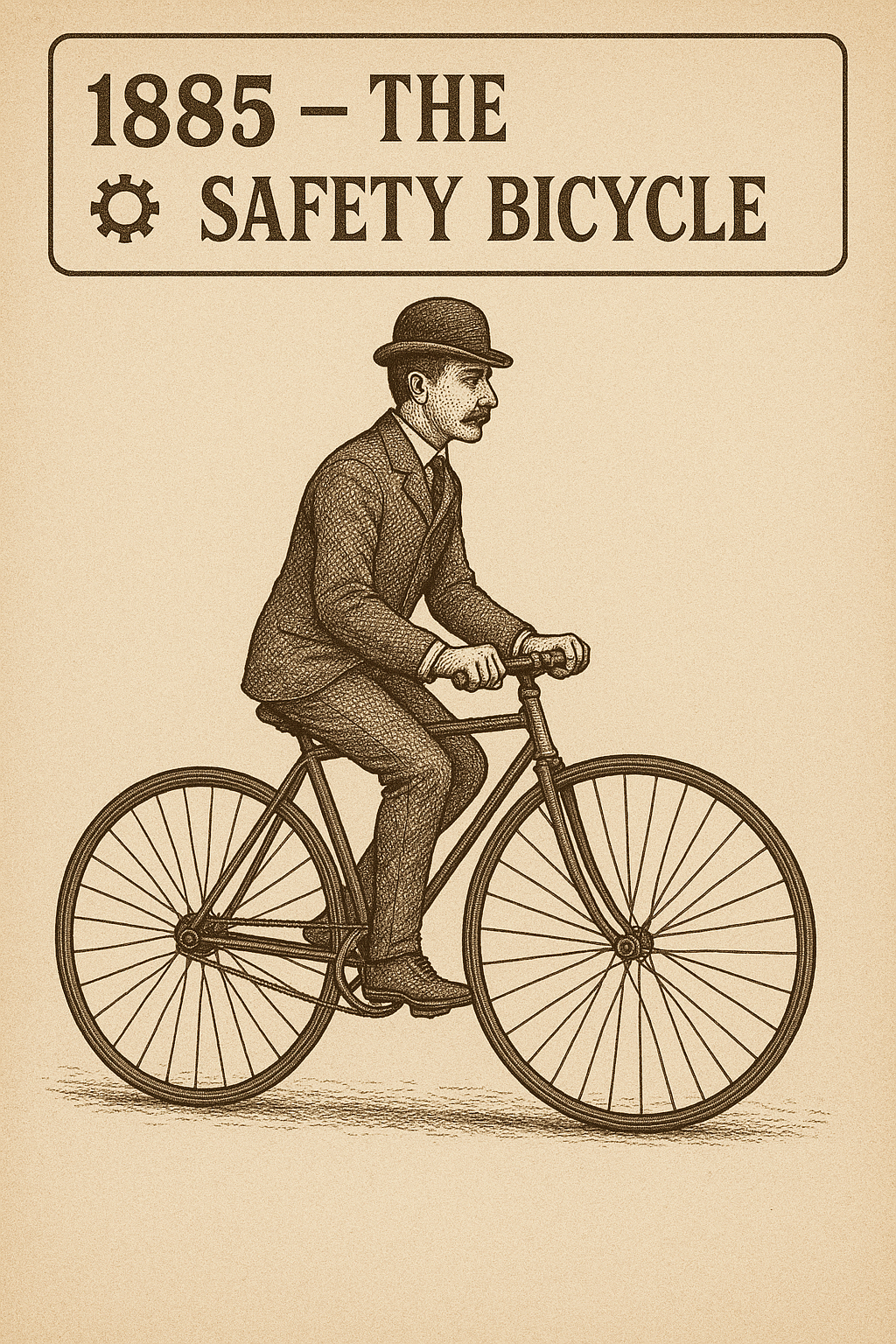
🔄 1885 – The Safety Bicycle
A breakthrough came with John Kemp Starley’s “Rover Safety Bicycle”, which had equal-sized wheels and a chain drive, much like modern bikes today. It made cycling safer, faster, and more accessible for everyone.
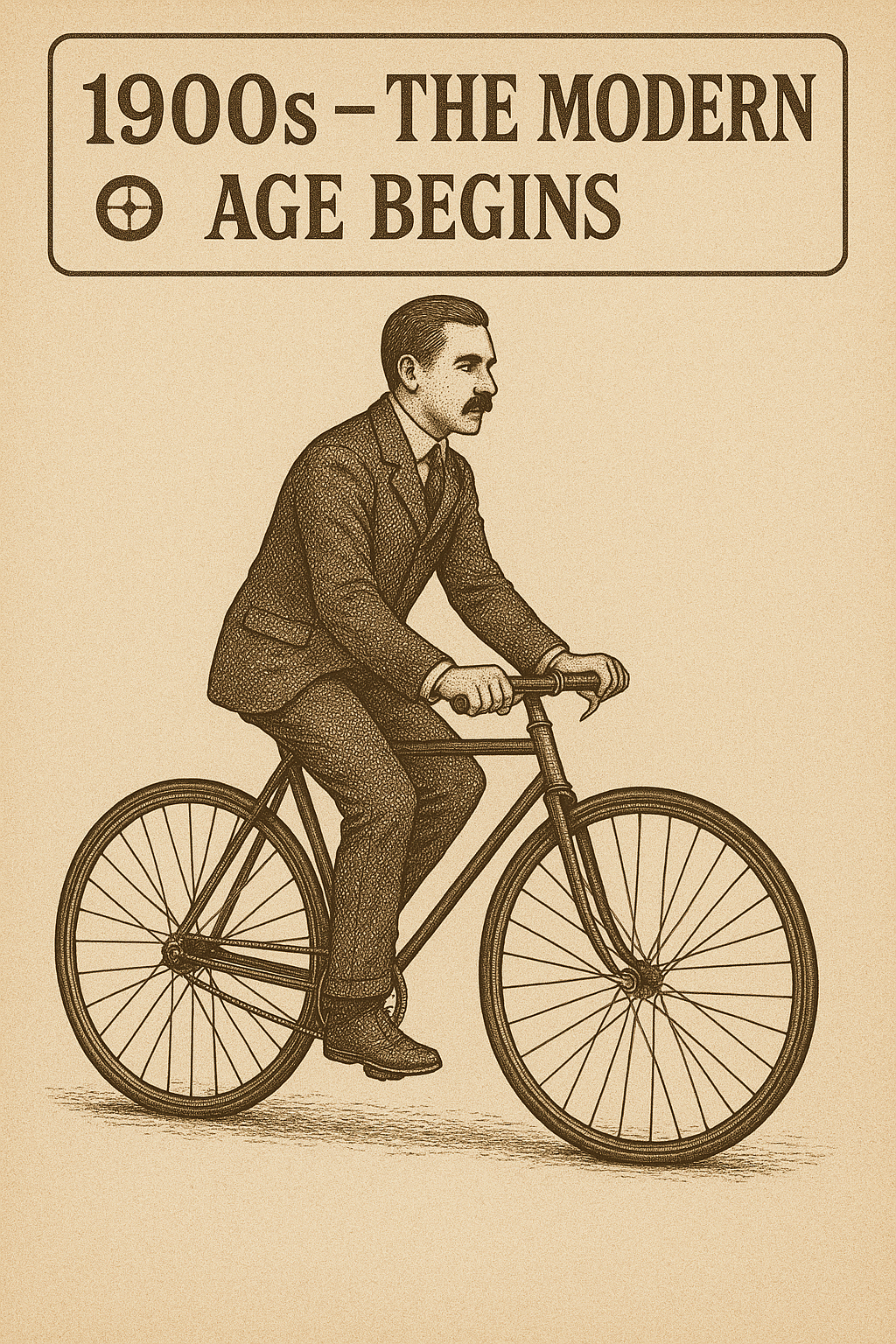
🧭 1900s – The Modern Age Begins
With air-filled rubber tires, metal frames, and brakes, bicycles became comfortable and practical for everyday use. They soon became a global symbol of freedom and mobility.
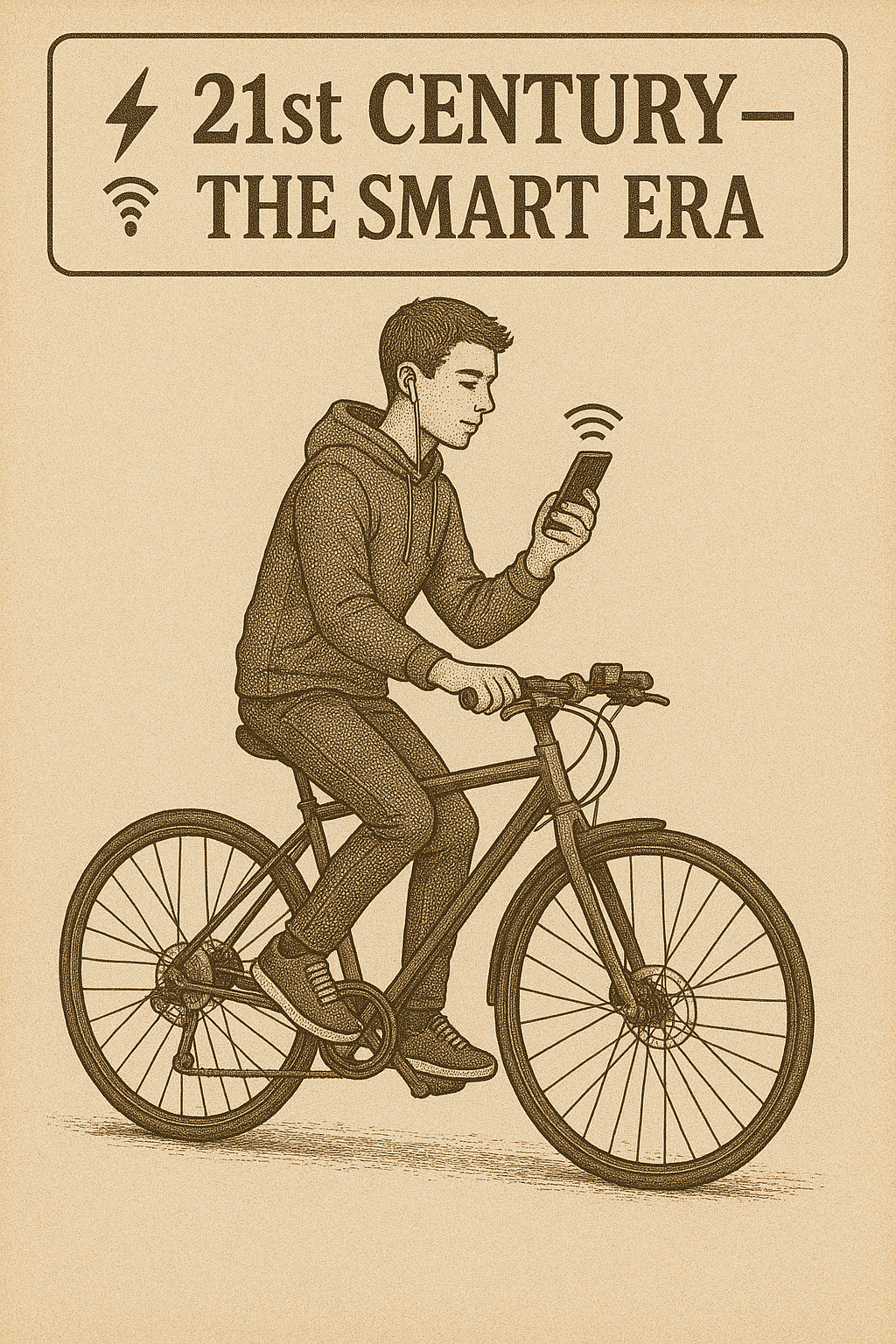
⚡ 21st Century – The Smart Era
Today, bicycles come in many forms, mountain bikes, road bikes, electric bikes (e-bikes), and even folding bikes. Modern innovations like carbon fiber frames, GPS tracking, and smart sensors continue to redefine the cycling experience.
.
🌍 Why It Matters
From a wooden frame to electric-powered speed, the journey of the bicycle shows human creativity and the continuous drive for innovation. Whether for health, adventure, or sustainability, cycling remains one of humanity’s greatest inventions.
Great Information Indeed!
thanks for visiting our posts