
🚀 1. Artificial General Intelligence (AGI)
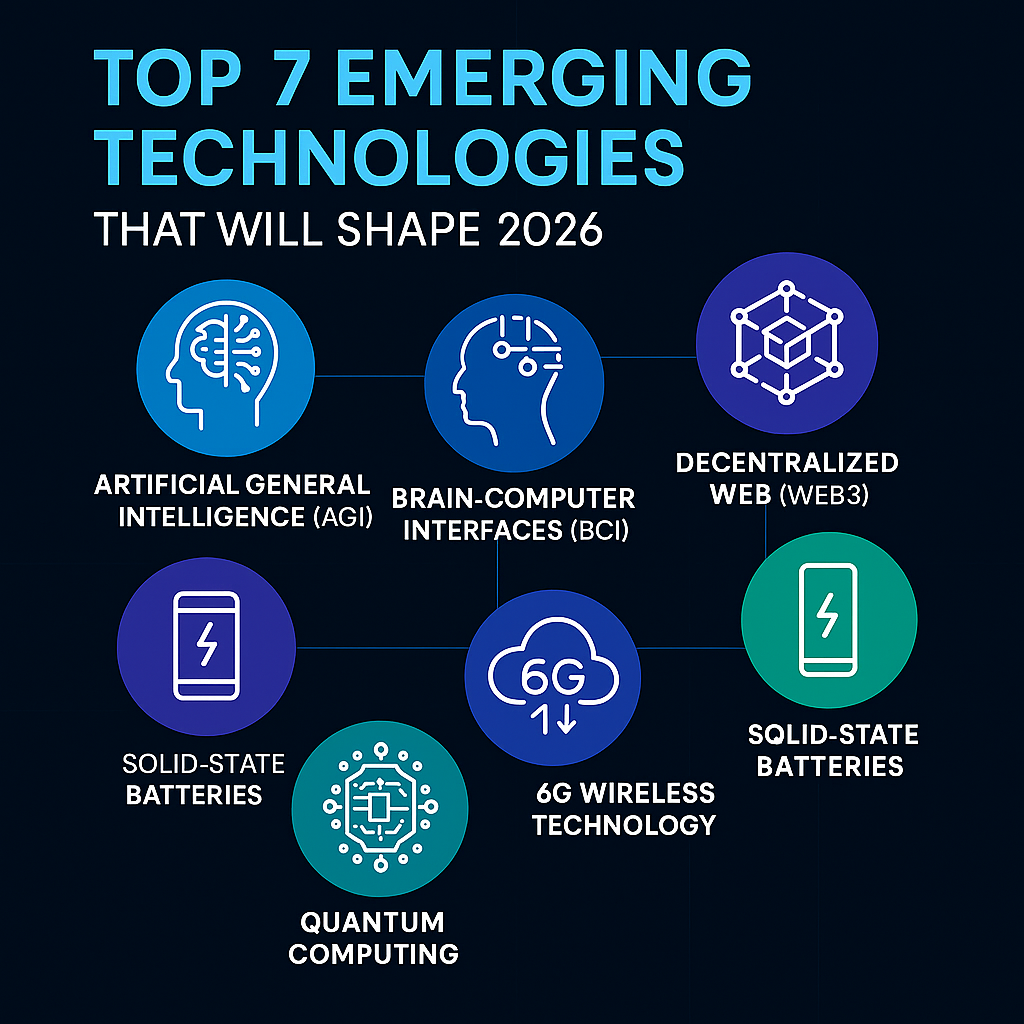
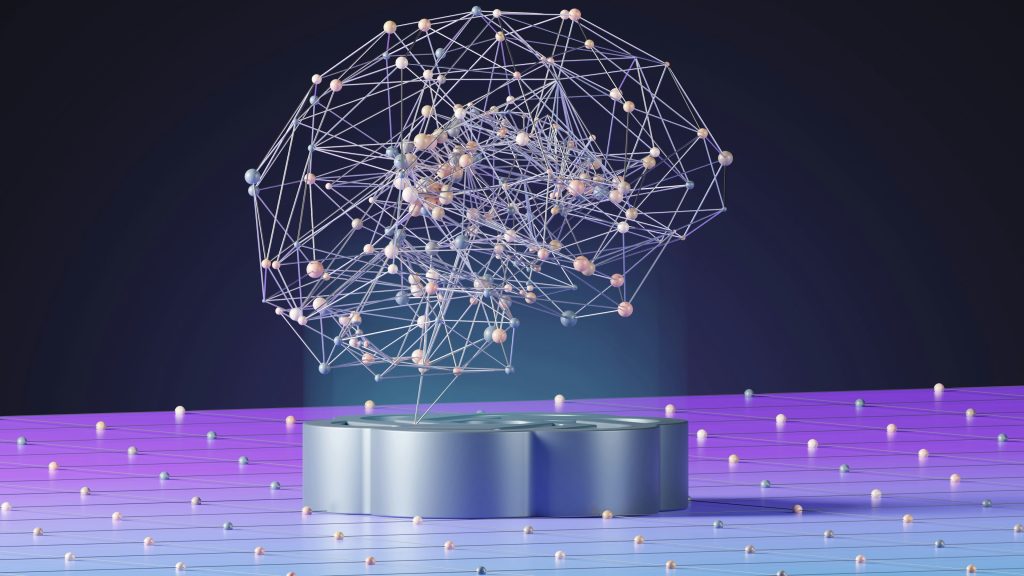
2026 may mark the early stages of Artificial General Intelligence—AI systems that can perform any intellectual task a human can. Unlike narrow AI (used in tools like chatbots or recommendation systems), AGI has broader learning capability and real-time decision-making power. Expect to see major research breakthroughs from companies like OpenAI, DeepMind, and Anthropic.

🧠 2. Brain-Computer Interfaces (BCI)
Thanks to companies like Neuralink and Synchron, BCIs are moving from science fiction to clinical reality. These interfaces allow direct communication between the brain and computers, opening possibilities in healthcare, gaming, and even communication for people with disabilities.

🔗 3. Decentralized Web (Web3)
Web3 is becoming more practical in 2026. With decentralized apps (dApps), blockchain-based identity systems, and distributed data storage, users will gain more control over their data, privacy, and digital ownership—especially important in an era of increasing digital surveillance.

🧬 4. Next-Gen Biotechnology
CRISPR 2.0, gene-editing advancements, and AI-driven drug discovery are accelerating biotech growth. We may see cures for genetic diseases, age reversal research, and even personalized medicine becoming more accessible by 2026.

🔋 5. Solid-State Batteries
Solid-state batteries promise higher energy density, faster charging, and improved safety over traditional lithium-ion ones. With investments from car manufacturers like Toyota, we might see electric vehicles with 1,000+ km range and 10-minute charge times entering the market soon.

🌐 6. 6G Wireless Technology
While 5G is still expanding, 6G research is already underway. Expected to roll out around 2028, early developments in 2026 will focus on ultra-low latency, holographic communication, and real-time global connectivity, boosting everything from virtual reality to telemedicine.

🛠️ 7. Quantum Computing
2026 could be the year when quantum supremacy becomes commercially viable. Companies like IBM, Google, and IonQ are racing to create stable quantum processors capable of solving problems beyond classical computers—impacting fields like encryption, logistics, and AI.